Robots. From
the time entertainment in the form of science fiction came about, they have
been present; more times than not as the antagonists, seen destroying cities
and wreaking all sorts of havoc. However, in today’s technological world, they
are seen everywhere: not just on the silver screen like in The Matrix or Terminator,
but in real life.

Many of these
advancements in robotics are the reason the world is the way it is today, and
many would like to see a future full of robots; but others think we are headed
down a slippery slope of artificial intelligence. I myself, fall more in line
with the thinking of the former.
Robots are Already Here
Much of the
opposition to robotics has been brainwashed by Hollywood to believe that any
type of robotics will eventually lead to artificial intelligence (AI) that tries
to take over the world and exterminate the human race. What they do not like to
realize however, is that we have had robots for decades.
The vast
majority of machines in factories are robotic in nature, and have some sort of
AI programming that controls everything from determining how far to cut a piece
of metal, or how fast to move an assembly line.
“But That Doesn't Mean They Can’t Still Turn on Us!”
For the entirety
of the time humans have had robots, we have always had control over them.
Everything from power supplies, to what actions they can and cannot make are
all controlled and programmed by humans. Even as AI becomes smarter more
independent, we can always program a robot to do only what we want, and create
fail-safes so that they could never do anything it was not intended to do.
According to author and professor of biochemistry Isaac Asimov, there are three
laws of robotics appropriately called “Isaac Asimov’s ‘Three Laws of Robotics’”
- A robot may not injure a human being or, through inaction, allow a human to come to harm
- A robot must obey orders given it by human beings except where such orders would conflict with the First Law
- A robot must protect its own existence as long as such protection does not conflict with the First or Second Law.
If humans begin
to make robots with intelligent enough AI that they have their own “free will”,
these laws could all be programmed into them as to ensure there could be little
to no ill effects of robots.
They Benefit Us
The machines we
make have helped to make the world the way it is today. There are robots
(nanobots) today that are in development that are so tiny that they can be
injected into people’s bodies and seek out and destroy cancer cells. There are
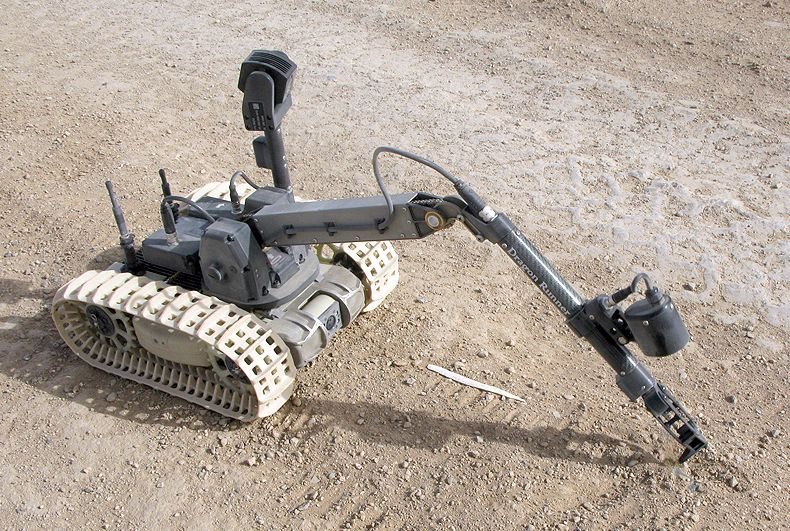
robots that can disarm bombs so that we do not have to risk a human life by
sending a person in to defuse it themselves. Someday there could be robotic
police officers and soldiers so that there would be no more humans dying in the
line of duty. Robotic advancement must continue for the sake of humanity.

I sincerely enjoyed your article Mr. Williams. Coming from computer science myself, the thought of artificial intelligence has always fascinating me. It’s in fact, an incredibly complex topic in computer science. I absolutely agree with you however that “robots destroying the world” shouldn’t be a concern for anyone, at least not yet. Many robots today use a very rudimentary form of artificial intelligence. In essence factory robots behave only systematically, accomplishing tasks explicitly assigned. However more intelligent robots that use what we call “machine learning” are becoming more and more proliferated. Unlike the systematic robots I mentioned, software agents (such as video game AI) or robots that use machine learning are actually changing/modifying their source code (programming) in real time to make adaptations to a given situation. For example, a software agent was programmed a few years ago to play Super Mario Bros, it was given basic controls, objectives, and methods for improving, and after hundreds of attempts it will have learned how to successfully beat a level without dying. Now this is also rudimentary since it’s adapting to a pretty static and predictable environment. But it goes to show that software can change itself to adapt. What people fear is that a robot with machine learning could adapt beyond its original programming and intentionally or not, cause harm to people or override safeguards. We design software to ensure anomalies like this don’t occur, but It’s been proven throughout time that software vulnerabilities or bugs in code allow for unintended behavior (glitches) or access to what wasn’t originally allowed in the code (perhaps access to Isaac Asimov’s safeguard laws). So I wouldn’t be so sure about the possibility of rogue robots in the future ☺
ReplyDeleteNick first and foremost, this was a great article. I agree completely that the thought of a robotic takeover is ridiculous and I particularly enjoyed the point about the laws of robotics. If we were going to create incredibly powered machines, we would of course program them with fail-safes. Especially when you grow up where every super-villain has a self-destruct button on their machines. Thank you for this great article.
ReplyDeleteProps for the extremely interesting article. At first i didnt realize how much robots have been used in the past but the more i think about it, the more it makes sense. I too agree that robots will continue to be an important part in everyday society. The possibilities for the uses of robots is virtually endless. Given proper programming of course, the use of robots will help make peoples lives much easier. I do believe though that there should be some sort of regulations placed on the production/programming of robots to ensure no harm will come of that particular robot. The only fear i have is when it comes to terrorist groups such as ISIS being able to create their own robots to help enforce their beliefs through harm of others. Other than that, i see plenty of benefits to using robots.
ReplyDeleteInteresting read, very well done. I do believe that there is no turning back, and that the prevalence of robots will only continue to grow. I do see some potential issues with that as well, though. The population of the Earth is growing exponentially, and the use and implementation of robotics for tasks previously completed by humans is vastly increasing as well. So when is the point where we are using robots too much? And what do we do about it? Any sort of minimum wage job and a lot of factory jobs will easily be replaced by robots, once the cost of them becomes less than labor costs. Then what? People don't get to earn a living because AlphaUnit-263 can complete the task at 100% efficiency for a fraction of the cost? So, I guess I'm not too worried about robots becoming sentient and taking over the world. I'm afraid that us humans are going to give it to them.
ReplyDelete